
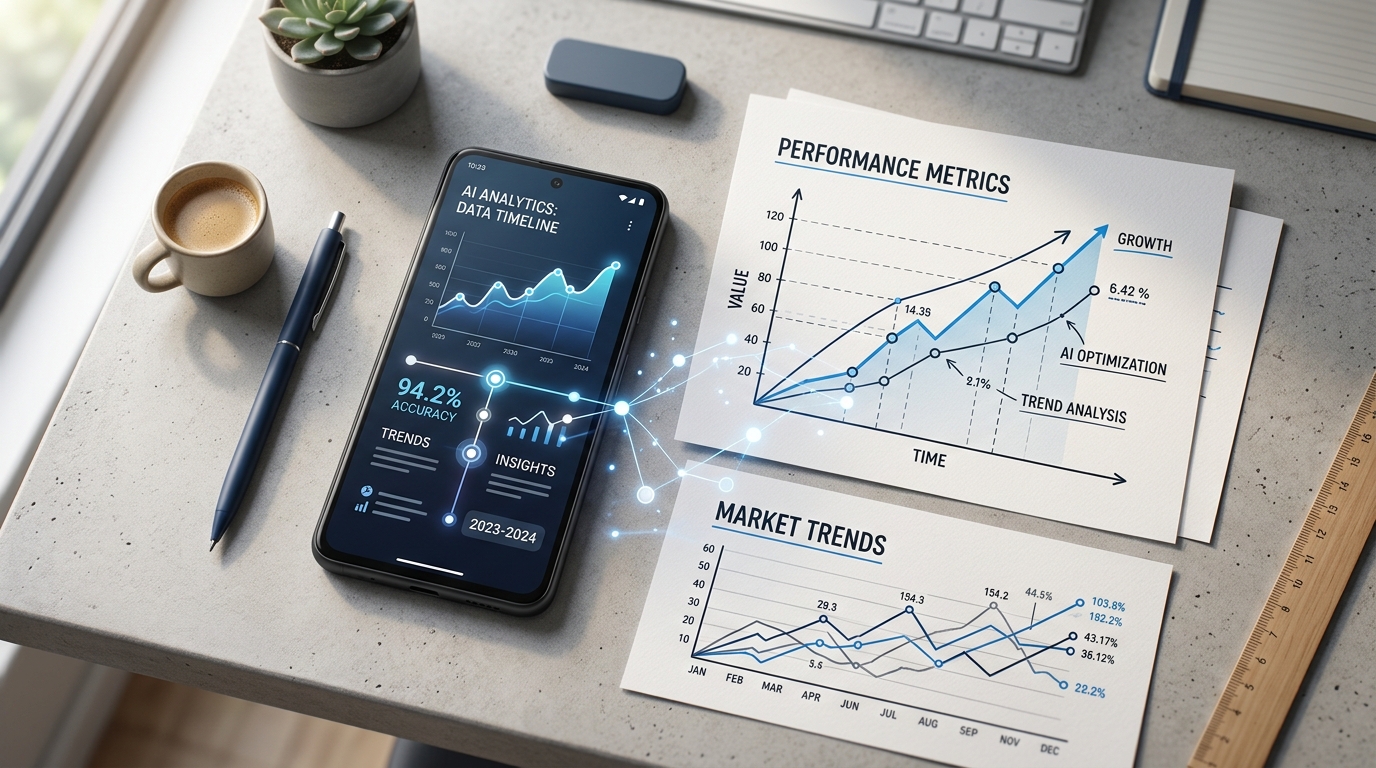
The 2026 mobile app economy shows a decisive shift away from manual communication tracking toward automated, AI-driven online status measurement. For users managing interactions across WhatsApp and Telegram, this means replacing constant screen checking with unified timeline applications that prioritize speed, cross-platform integration, and transparent data privacy.
Imagine a freelance project manager trying to coordinate an international team. Half the contractors communicate exclusively via the Telegram app on their mobile devices, while the primary client insists on using WhatsApp. Throughout the day, the manager frantically switches between WhatsApp Web and Telegram Web on their desktop, refreshing screens just to catch a 'last seen' timestamp so they can perfectly time an urgent project update. Dealing with these scattered messaging platforms manually feels like a last of us survival scenario—exhausting, resource-heavy, and highly prone to human error.
From a privacy and product perspective working on data privacy and user rights, I have observed this exact friction multiplying across small teams, students, and independent contractors. The problem is no longer a lack of communication tools; it is an overabundance of unmeasured, chaotic interaction data.
Manual status tracking is a failing reflex
For years, our default response to digital availability was manual checking. We opened apps, checked the header, closed the app, and guessed when the person might return. Historically, some users even resorted to modifying their software, using unsecured third-party clients like GB WhatsApp just to freeze their own status or covertly monitor others. From my perspective in regulatory tech, these workarounds are massive security liabilities that expose personal data to unknown third parties.
The latest data confirms that this manual, fragmented approach is collapsing under the weight of modern app usage. According to the 'Mobile App Trends 2026' report published by Adjust, global app installs rose by 10% in 2025, and overall user sessions increased by 7%. With consumer spending jumping 10.6% to reach $167 billion, the mobile economy is rapidly expanding. People are interacting more frequently but in shorter bursts. You simply cannot rely on manual observation when your contacts are generating dozens of micro-sessions every hour.
Industry analysts have recently detailed why multi-platform measurement is replacing manual last seen checking, noting that unified data architecture is the only way to make sense of high-frequency messaging patterns.
Speed and privacy dictate modern app survival
The expectation for utility applications has matured significantly. We are moving away from single-channel monitoring toward integrated measurement architectures powered by artificial intelligence. The Adjust 2026 report emphasizes that AI has transitioned from a supplementary feature to core infrastructure.
This technological leap directly impacts how we track communication availability. Users no longer tolerate sluggish interfaces or battery-draining background processes. Current trends show that 70% of users will delete a slow-performing application after the very first use. If an activity tracker requires you to wait for a manual sync or heavily drains your device's memory, it immediately fails the selection criteria for modern utility.
Additionally, the conversation around data consent has fundamentally changed. Many assume that users are locking down their data entirely, but the statistics tell a different story. The iOS App Tracking Transparency (ATT) opt-in rates actually increased to 38% in the first quarter of 2026. This indicates a maturing user base: people are increasingly willing to grant tracking permissions when a tool is transparent, secure, and provides tangible value to their daily routine.
Search intent reveals a demand for exact utility
When analyzing international user behavior, the desire for precise, reliable tracking tools becomes incredibly apparent. Instead of searching for bloated, all-in-one productivity suites, people are looking for highly specific utilities.
For example, across various regions, we see users specifically searching for an app built directly for platform-specific monitoring. High search volumes for phrases focusing on 'online status' and 'last seen tracking' prove that users want an exact timeline of events. They want to know the last time a client was active or when a study group was online, without having to expose their own status in the process.
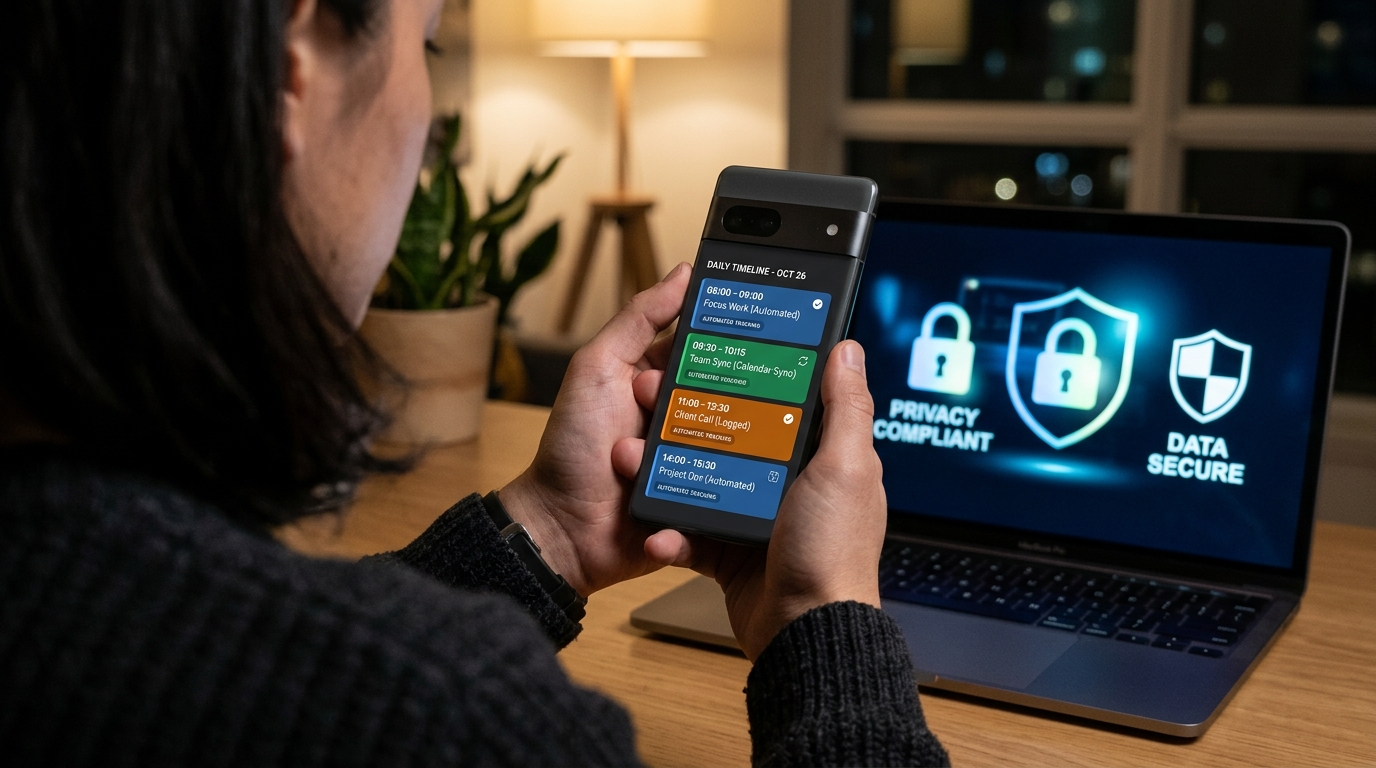
Automated measurement replaces the guesswork
To establish healthy digital boundaries and improve communication efficiency, the solution is moving your tracking off the native messaging clients and onto a dedicated measurement architecture.
This approach solves multiple pain points simultaneously. First, it eliminates the need to maintain active sessions on WhatsApp Web or keep the Telegram app permanently open on your phone. Second, it compiles fragmented activity into a single, cohesive timeline. Recent analysis of cross-platform usage suggests that users who switch to automated timelines reduce their screen-checking anxiety by a massive margin.
When selecting a tool for this purpose, ease of use and offline support should be your primary criteria. A proper tracker works asynchronously—gathering public status data even when your own device is disconnected from the internet.
Choosing tools that align with modern data boundaries
So, who actually benefits from automated status measurement? This category of software is built for freelancers coordinating with clients across different time zones, small teams needing to know when colleagues are available for a quick sync, and individuals looking to understand their own digital habits.
Conversely, who is this NOT for? These tools are not designed for corporate surveillance or attempting to bypass strict user privacy settings. If a user has explicitly hidden their public status on the native platform, ethical measurement tools respect that boundary.
If you want to consolidate this fragmented messaging activity into a clear, private timeline without constant manual checking, Seen Last Online Tracker, SUNA's automated reporting is designed for that. It processes the public availability data natively, allowing you to review communication patterns on your own terms. For those looking to explore a suite of secure digital tracking utilities, reviewing a reliable Activity Monitor developer can help ensure the software you choose adheres to modern privacy standards.
The 2026 app economy data makes one thing very clear: the era of manual observation is over. By adopting an automated, privacy-first measurement approach, you reclaim your time, reduce the friction of cross-platform communication, and establish a much healthier relationship with your daily digital interactions.