

It is 1:30 AM. You are sitting in the dark at your kitchen table, staring at a glowing laptop screen with WhatsApp Web open in one tab and the Telegram app in another. You repeatedly refresh the pages, trying to figure out if your teenager is finally asleep or still chatting. You find yourself manually noting down time stamps, battling your own exhaustion. This fragmented, anxiety-inducing routine is how many parents initially attempt to manage digital boundaries, but it often does more harm than good.
Modern online tracking is no longer about obsessive manual checking; it is about establishing healthy digital boundaries through automated, multi-platform measurement. As a pedagogue researching family communication, I have observed that transitioning from manual oversight to an integrated activity tracking approach reduces household friction, fosters trust, and provides objective data for constructive conversations rather than emotional confrontations.
Yet, despite the availability of modern tools, many caregivers are held back by outdated misconceptions. Global digital habits are evolving rapidly, and our parenting strategies must adapt. According to the recent "Mobile App Trends 2026" report by Adjust, global mobile sessions increased by 7% last year, and overall consumer spending on apps jumped by 10.6% to reach $167 billion. The report emphasizes that understanding these expanding digital habits requires a unified measurement architecture rather than manual observation. We should examine the most common myths surrounding online activity monitoring and look at what the data actually tells us.
Shift Your Mindset from Surveillance to Awareness
The most persistent myth I encounter in my consultations is that monitoring tools are inherently invasive. Many parents feel guilty, believing that using an activity monitor is akin to spying. From a pedagogical standpoint, this stems from a misunderstanding of what these tools actually facilitate.
We need to distinguish between content interception and behavioral awareness. You do not need to read private messages to understand sleep disruptions or screen dependency. Recognizing patterns in a user's last seen status is often enough to identify if a teenager is staying up until 4:00 AM. Interestingly, this anxiety is universal. Whether parents are looking for apps for family safety or searching for online tracking solutions, they are all expressing the same fundamental need: clarity, not control.

By focusing on timelines rather than text, you establish boundaries based on verifiable habits. These tools have moved far beyond niche edge cases and are now fundamental elements of standard digital parenting, helping families navigate the complexities of constant connectivity.
Abandon Manual Checking for Automated Measurement
Another major fallacy is the belief that occasional, manual check-ins are sufficient. Parents often tell me they prefer to just open WhatsApp or look at Telegram before going to bed to see when their child was last active.
The math simply does not support this habit anymore. With mobile sessions up 7% globally, the frequency of app-switching makes manual observation nearly impossible. If you are relying on Telegram Web or checking your phone manually, you are only capturing an isolated fraction of a much larger picture. You see a single timestamp, but you miss the frequency and duration of sessions throughout the night.
The 2026 Adjust report makes it clear that growth and analytics in the mobile sector are no longer driven by single-channel observation, but by integrated measurement. The same principle applies to household digital management. You need a system that logs data objectively so you can review it calmly in the morning, rather than reacting in the heat of the moment.
Consolidate Your View Across the Entire Messaging Ecosystem
A frequent technical myth is that tracking applications are limited to single platforms, forcing parents to juggle multiple interfaces. Families often assume they need one strategy for standard messaging and entirely different methods for alternatives.
Teenagers rarely stick to one communication channel. They might start a conversation on standard text, move to Telegram, and perhaps even experiment with modified clients like GB WhatsApp to bypass standard visibility settings. If your awareness is limited to a single application, your understanding of their digital footprint is incomplete.
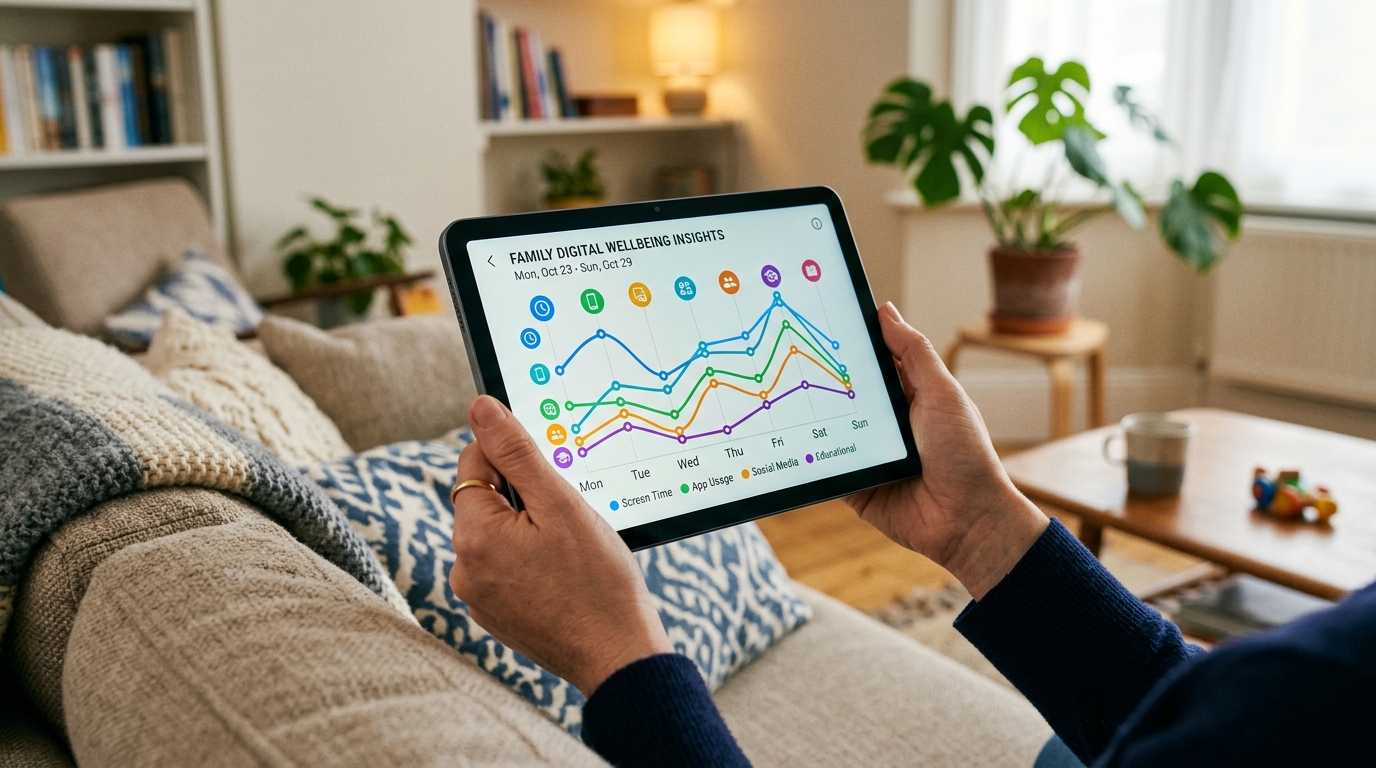
This is where purpose-built solutions come into play. If you want a clear, unified view of your family's messaging habits without juggling multiple screens, Seen Last Online Tracker, SUNA's multi-platform timeline is designed for that exact purpose. It aggregates direct activity pings and seen timestamps into a single visual dashboard. Whether your child is chatting late into the night or staying up watching gaming streams, you receive a cohesive picture of their screen-time rhythm.
Evaluate AI Tools by Their Focus on Data Privacy
The final myth involves a deep distrust of modern analytics, specifically regarding data harvesting. Many parents worry that automated systems will compromise their family's privacy or leak personal information to third-party advertisers.
The reality of the 2026 mobile economy presents a different picture. According to the Adjust report, iOS users' tracking opt-in rates (ATT) rose to 38% in early 2026. This indicates that users are increasingly willing to share behavioral data when the privacy framework is transparent and provides tangible value. Furthermore, the report notes that AI has transitioned into foundational infrastructure, used primarily for secure segmentation rather than intrusive data mining.
A reliable Activity Monitor processes only basic status indicators. It registers when a profile comes online and when it goes offline. It does not read messages, view photos, or access contact lists. The intelligence of the system lies in how it organizes those simple timestamps into readable graphs, alerting you to sudden changes in routine without violating personal communication privacy.
Identify the Right Fit for Your Household
When selecting a system to help manage digital boundaries, it helps to be clear about who it serves best.
- Who it benefits most: Parents establishing structured sleep routines, families negotiating healthy screen-time limits, and individuals trying to understand their own digital dependency patterns.
- Who it is NOT for: Employers attempting to micromanage remote workers, or individuals trying to monitor adult partners. Using behavioral awareness tools for obsessive surveillance damages relationships and violates trust.
When deciding on an approach, prioritize tools that offer clear visual timelines, secure offline alert systems, and cross-platform syncing. Discard the anxiety of the manual check. By embracing an automated, private, and objective measurement architecture, you remove the emotional friction from digital parenting and open the door to honest conversations about digital wellbeing.