
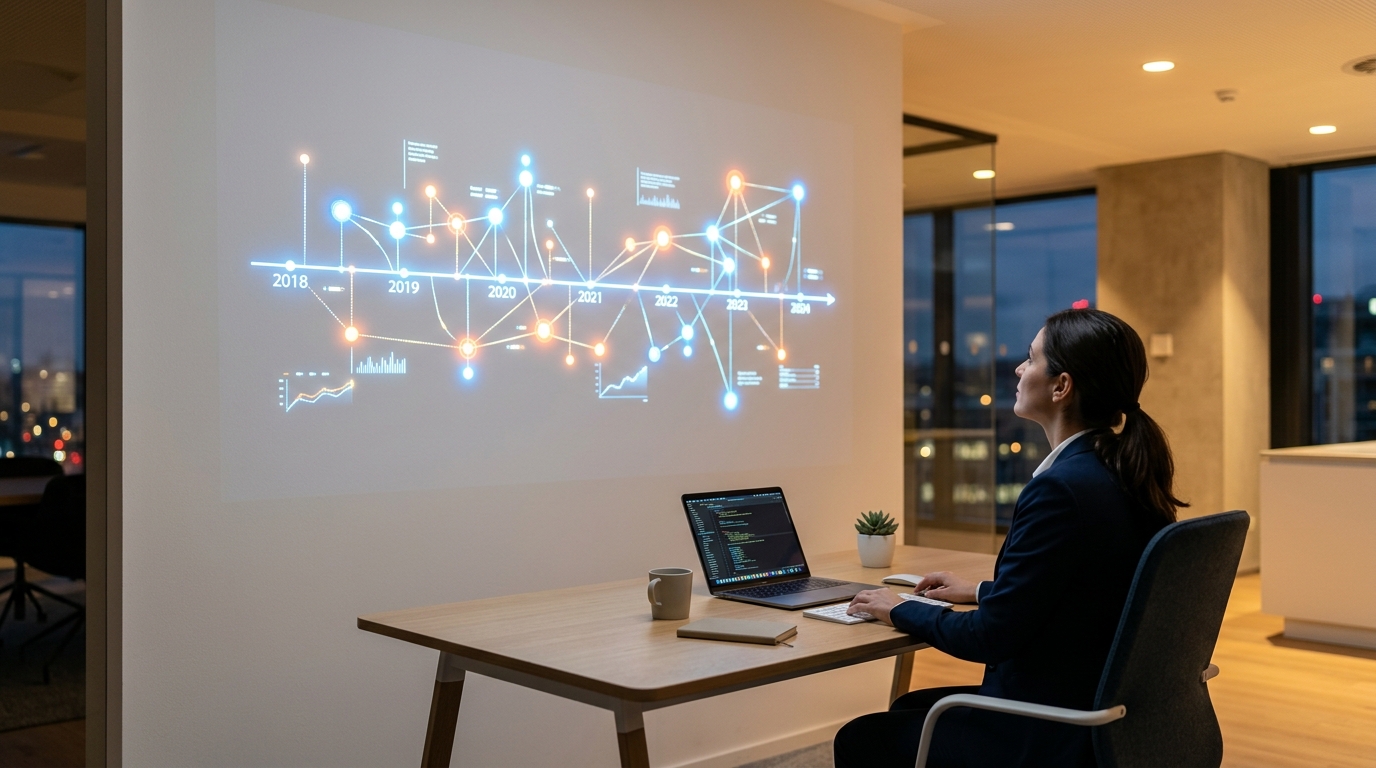
Imagine logging into whatsapp web on your primary monitor, keeping the telegram app open on your phone, and trying to figure out when your freelance contractors are actually at their desks. You check one chat, note the last active time, switch to another platform, and realize the first person just came online. It is an endless, fragmented loop of manual checking. To solve this fragmentation, modern users need an automated, cross-platform measurement architecture that consolidates WhatsApp and Telegram online statuses into a single, unified timeline without requiring constant manual monitoring.
Why Is Manual Checking Failing Modern Communicators?
The core problem isn't that we communicate too much; it is that our measurement habits are stuck in the past. We rely on manual screen refreshes in a highly distributed, multi-platform environment. In my consulting practice, I frequently mediate between technology deployments and user privacy expectations. What I consistently observe is that manual monitoring creates anxiety and wastes time. You end up staring at screens, hoping to catch a fleeting "online" indicator just to time a simple message correctly.
The scale of mobile communication makes this approach completely unsustainable. According to recent Adjust Mobile App Trends reports, the mobile ecosystem continues to expand rapidly, with global app installs and user sessions showing consistent year-over-year growth. Industry data emphasizes that sustainable growth is now driven by multi-platform measurement architecture rather than single-channel optimization. Our personal communication tools require the same architectural upgrade. Relying on isolated status checks across different apps simply doesn't scale.
Who Actually Needs Automated Status Measurement?
Automated activity measurement isn't a universal requirement, but for specific groups, it removes significant friction from daily routines. It is highly effective for project managers coordinating remote teams across time zones, freelancers who need to document their availability, and parents aiming to establish healthy digital boundaries for their household without physically confiscating devices.
It is equally important to understand who this is not for. If your goal is to conduct covert employee surveillance or bypass legitimate privacy boundaries, activity logging tools are the wrong choice. From a privacy and product perspective, I always advise that these utilities should facilitate transparency and better timing in communication, not act as an invisible monitoring mechanism. Trust is easily broken when tools are misused.
How Do You Transition to a Unified Solution?
If you want a centralized way to understand communication habits, Seen Last Online Tracker, SUNA is an app built directly for this purpose. It is a cross-platform analytics tool designed to monitor and log online and offline status events for WhatsApp and Telegram users, bringing fragmented data into one clear interface. Instead of jumping between apps, you receive a consolidated view of when a contact is active.
When selecting a tool in this category, I recommend evaluating three specific criteria: platform coverage, alert reliability, and clear timeline visualization. You need an application that functions independently of your own device's state. Activity Monitor principles suggest that reliable tools should process data quietly in the background, allowing you to close your messaging clients entirely while still capturing necessary availability metrics.
What Should You Expect During Your First 24 Hours?
The first practical scenario you will encounter when transitioning to an automated system is the elimination of screen-checking. During your first day using Seen Last Online Tracker, SUNA, you simply input the numbers you need to follow. From that moment, the system automates the observation process.
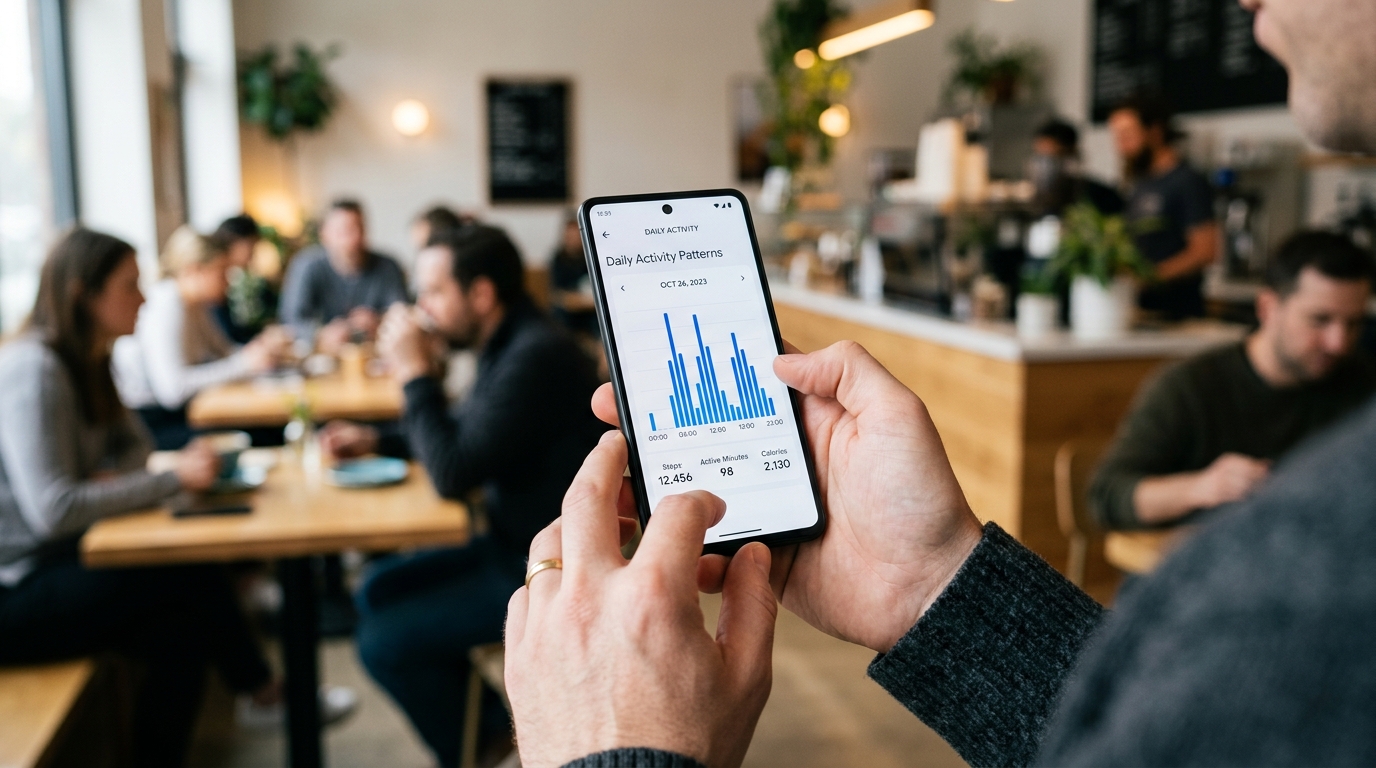
Instead of logging into telegram web every thirty minutes to see if a colleague has reviewed a file, you wait for a designated notification. The system plots exact online durations onto a visual graph. As Pınar Aktaş has explained in discussions on activity timelines, visualizing this data reveals patterns—such as knowing a team member consistently checks messages at 10:00 AM—which completely changes how you schedule your own outreach.
Why Should You Avoid Modified App Clients?
When frustrated by native application limitations, many users attempt to bypass restrictions by downloading unauthorized, modified clients like gb whatsapp. From a privacy and data security standpoint, I strongly advise against this. These third-party modifications often require you to compromise end-to-end encryption and expose your local device data to unknown servers.
A legitimate measurement architecture operates differently. It relies on publicly available status signals rather than modifying the core messaging client. By using a dedicated external tracker, your primary communication apps remain clean, updated, and secure. You get the analytics you need without compromising the structural integrity of your encrypted chats.

What Role Does Privacy Play in Activity Logging?
Data privacy is central to how we interact with software today. Users are increasingly aware of their rights and how their data is processed. Recent industry shifts, such as the stabilization of Apple's App Tracking Transparency (ATT) opt-in rates, show that people are willing to share data when the value proposition is clear and the architecture is transparent.
When you measure when someone is seen online, you are handling behavioral data. The ethical use of Seen Last Online Tracker, SUNA involves utilizing these insights to reduce intrusive messaging. If the data shows a contact is consistently offline during certain hours, you respect that boundary. The technology provides the insight, but the user must provide the respect.
How Does This Fit Into Your Daily Routine?
Implementing a proper measurement tool shifts your routine from reactive to proactive. You no longer have to interrupt your workflow to verify someone's availability. Trying to coordinate international communication manually shouldn't feel as chaotic as surviving a round of The Last of Us. It should be quiet, orderly, and data-informed.
By stepping away from manual checks, you reclaim your own focus. You let the system manage the background data processing, logging the exact moments of availability, so when you finally do send that critical message, you know it will land exactly when the recipient is ready to engage.