

Last seen tracking is no longer a fringe behavior. What changed is simple: people now use WhatsApp and Telegram in more fragmented, frequent, and pattern-driven ways, so checking online status by hand often tells you less than a proper timeline does. A WhatsApp and Telegram last seen tracker is a mobile app for people who want to monitor visible online activity over time on iPhone or Android without repeatedly opening the messaging apps themselves.
I work on real-time messaging systems, and one thing I have seen repeatedly is that user behavior shifts long before people update the language they use to describe it. Many still think of last seen tracking as a niche habit. In practice, the category has been moving toward something closer to a daily utility for certain groups: parents watching routine changes, couples trying to reduce manual checking, and people who simply want cleaner visibility into online patterns on WhatsApp and Telegram.
That does not mean every person needs this kind of app. It does mean a few common assumptions about the category are now outdated.
Is last seen tracking still only for a small group of obsessive users?
That is probably the most common myth, and it no longer matches how the category is used.
A few years ago, many people treated online-status monitoring as something highly specific: occasional checking, mostly manual, mostly curiosity-driven. The shift I have observed is toward repeatable monitoring of patterns rather than one-off checking of moments. People are less interested in a single seen status and more interested in sequences: when someone comes online, how often that happens, whether the rhythm changed, and whether two periods overlap.
This is a category trend worth noticing. When usage moves from isolated checks to repeated pattern analysis, the tool stops behaving like a novelty and starts behaving like a utility. That does not make it universal, but it does widen the audience.
Who benefits most?
- Parents who want a clearer picture of messaging hours without hovering over a screen
- People who prefer observing communication patterns instead of manually opening WhatsApp Web or Telegram Web throughout the day
- Users who want alerts or a usable timeline rather than memory-based guesswork
Who is this not for?
- People who only check a status once in a while
- Users expecting access to private messages or hidden account data
- Anyone looking for a workaround based on modified clients such as GB WhatsApp instead of a dedicated monitoring approach
That last point matters. Generic modified apps and unofficial workarounds are often discussed in the same breath as tracking, but they solve a different problem and usually create a different set of reliability and safety questions.
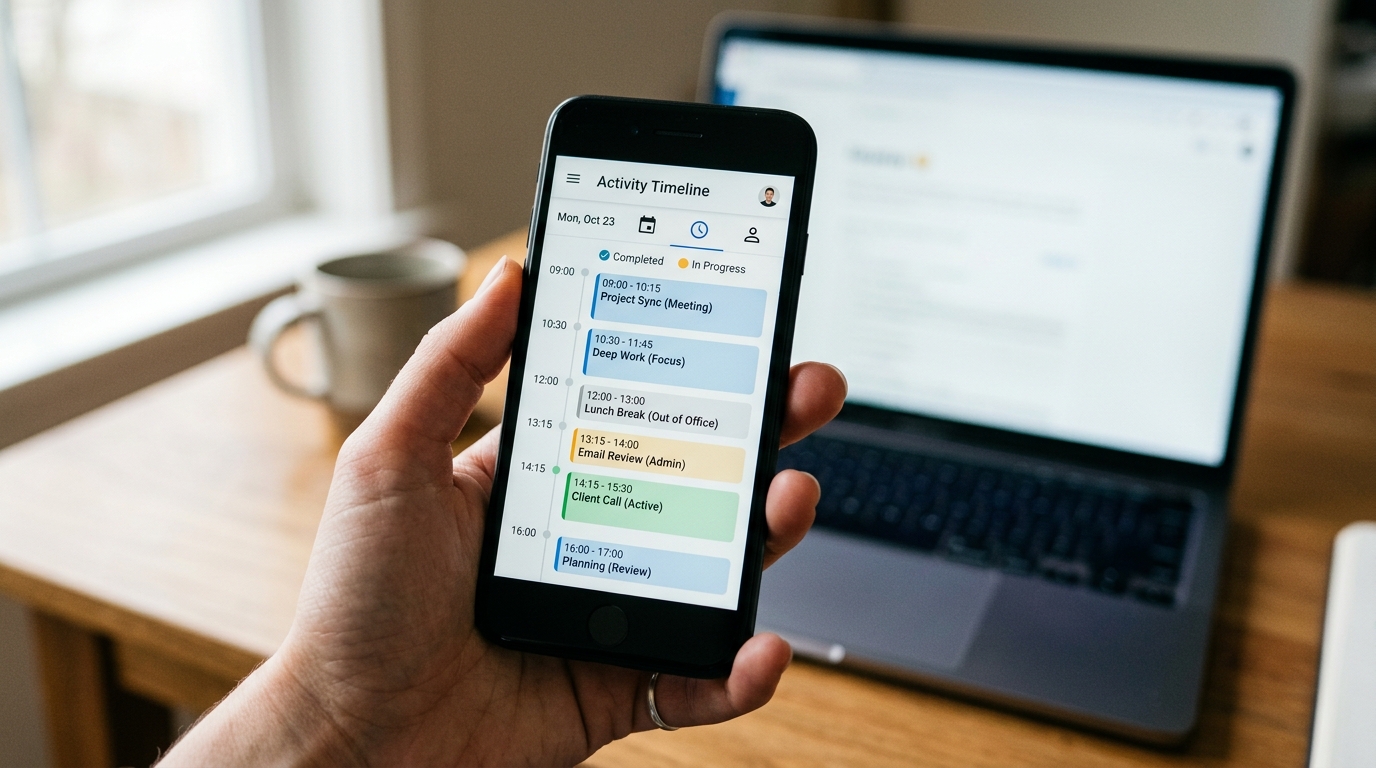
Has manual checking on WhatsApp and Telegram become good enough?
No, and that is another myth the market has outgrown.
Manual checking worked better when messaging behavior was simpler. Today, people bounce between mobile devices, desktop sessions, notifications, short bursts of online presence, and split attention across multiple chats. If you are refreshing WhatsApp Web during work hours or opening Telegram repeatedly just to catch a status change, you are doing a lot of low-quality observation.
The problem is not effort alone. It is signal quality. Human memory is poor at reconstructing dozens of brief online sessions. We remember the outlier and forget the pattern. A timeline, alert history, or structured log gives context that manual checking simply cannot match.
From what I have seen in messaging products, this is one reason the category has matured. Users are not just asking, “Was the person online?” They are asking, “What does the pattern look like over a day or week?” That is a more practical question, and it pushes people away from ad hoc checking toward dedicated tools.
I would extend that point at the category level: timelines are not only a nice feature anymore; they are part of what separates serious tools from casual checking habits.
Does category growth mean every tracker works the same way?
Not at all. Growth usually creates more confusion before it creates clarity.
As interest in seen and online-status monitoring expands, more users arrive with mixed expectations. Some want straightforward last seen tracking. Others expect message access, hidden data, or direct integration with every messaging environment, including WhatsApp Web and Telegram Web. Those are different use cases.
A dedicated last seen tracker should be judged on category-relevant criteria, not on fantasy features. In practice, the most useful selection questions are these:
- Does it present online activity clearly? A readable timeline matters more than flashy dashboards.
- Does it help reduce manual checking? If you still need to watch the app constantly, the tool is not doing enough.
- Are alerts and session records understandable? Raw data without context quickly becomes noise.
- Does it fit your actual routine? Parents, partners, and casual observers do not use these tools in the same way.
- Is the pricing easy to understand? Hidden complexity usually predicts a frustrating experience.
This is where category differentiation becomes clearer. Generic alternatives like spreadsheets, browser tabs, screenshots, or mental note-taking look free on paper, but they cost time and usually produce worse insight. A dedicated app is not automatically better, but if you want structured monitoring, it is better designed for that job.
If you want a broader view of how apps in this category are positioned, Activity Monitor’s app portfolio overview gives useful context around how monitoring tools are evolving across family-oriented use cases.
Are users becoming more extreme, or just more pattern-aware?
Mostly the second.
It is easy to frame the rise of tracking tools as a sign of obsessive behavior, but that misses a more ordinary shift: people increasingly want less interruption, not more. Repeatedly opening WhatsApp or Telegram to check a status is intrusive to your own attention. A clearer system for seen tracking often reduces compulsive checking rather than increasing it.
I have seen this dynamic often in notification-related products. When information is hard to access, people check more often. When information is organized, people check less often but understand more. That is not true for every user, of course, but it explains why category growth does not automatically mean more extreme usage.
Practical scenario: a parent wants to know whether a teenager’s late-night messaging pattern changed during exam week. Manual checks might catch one or two moments. A timeline shows whether the pattern moved by an hour, whether activity became more frequent, or whether weekends differ from weekdays. That is a calmer, more useful question than “Were they online at 11:42?”
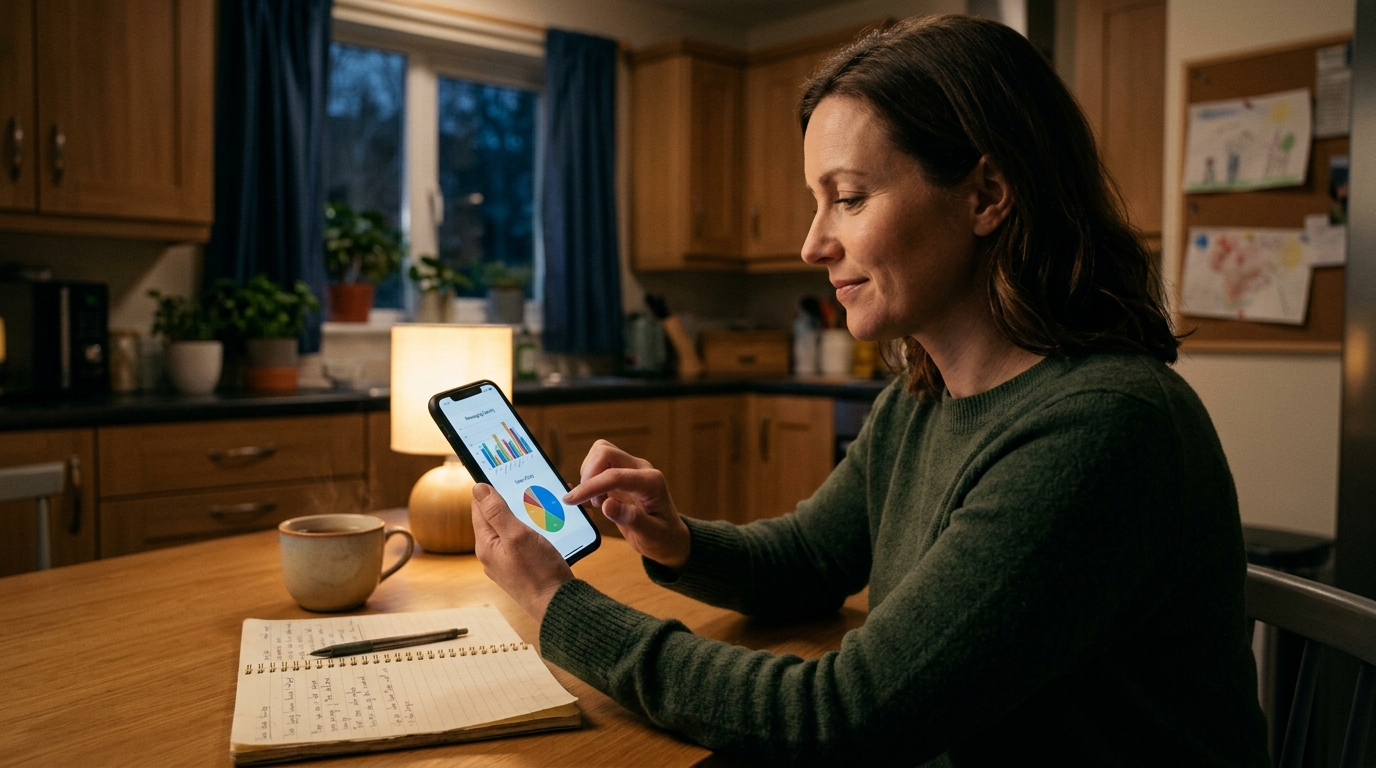
Does the rise of Telegram and desktop use change what people expect from tracking tools?
Yes, quite a bit.
One market shift I would highlight is cross-context messaging. People are not only on mobile anymore. They move between the main app, Telegram Web, WhatsApp Web, tablets, and desktop clients. Even when the status itself looks simple, the behavior behind it is fragmented. That raises the value of tools that focus on history and consistency instead of isolated checks.
Another shift is that Telegram and WhatsApp are now used by more mixed audiences than before. Families, independent workers, student groups, and long-distance relationships all use them differently. That broadens the category but also makes product fit more important.
Seen Last Online Tracker, SUNA fits into this shift in a fairly specific way: it is designed for people who want direct, structured visibility into WhatsApp and Telegram online activity from a mobile app, rather than trying to reconstruct patterns manually. If your goal is to understand routines instead of chasing single moments, that feature set makes sense.
But again, this is not for everyone. If you only need occasional checking, a dedicated tool may be unnecessary. Trustworthy category writing should say that plainly.
What questions are users now asking before they install a tracker?
The questions have become more practical, which is usually a healthy sign in any app category.
“Will this save me time, or just give me another screen to watch?”
Good tools reduce repeated checking. Bad ones merely relocate it.
“Can I actually understand the activity history?”
Readable sessions, timestamps, and alerts matter more than visual flair.
“Is this for regular users or only technical users?”
The category is becoming more mainstream. The best products reflect that with simpler setup and clearer output.
“Do I need this for both WhatsApp and Telegram?”
Only if those platforms are both part of your daily routine. Otherwise, extra complexity is not a benefit.
What I would add here is that market maturity changes the buying question. Users are no longer only asking whether the tool works; they are asking whether it fits a sustained habit.
What should you do with these category trends if you are considering a tracker?
Start with your behavior, not the app store listing.
If you are checking online status several times a day, trying to remember patterns, or switching between WhatsApp, Telegram, WhatsApp Web, and Telegram Web just to observe activity, you already have the raw signal that a tracker might help. The question is whether a dedicated app will replace friction with clarity.
Here is the simplest decision framework I recommend:
- If you check rarely, stay manual.
- If you check often but only care about one-off moments, your habit may be the issue, not the lack of a tool.
- If you care about patterns over time, use a tracker built around timelines and alerts.
- If you expect hidden data, private content, or unrealistic access, you are looking for the wrong category.
That is where the current market is heading: away from curiosity-driven spot checks and toward organized interpretation of visible activity. Not universal. Not for every person. But no longer niche in the way many people assume.
And that is the myth worth dropping. The real shift is not that more people are becoming obsessed with last seen. It is that messaging behavior has become too fragmented for manual observation to stay useful. If you want cleaner insight into recurring WhatsApp and Telegram patterns, Seen Last Online Tracker, SUNA is designed for exactly that kind of use.