
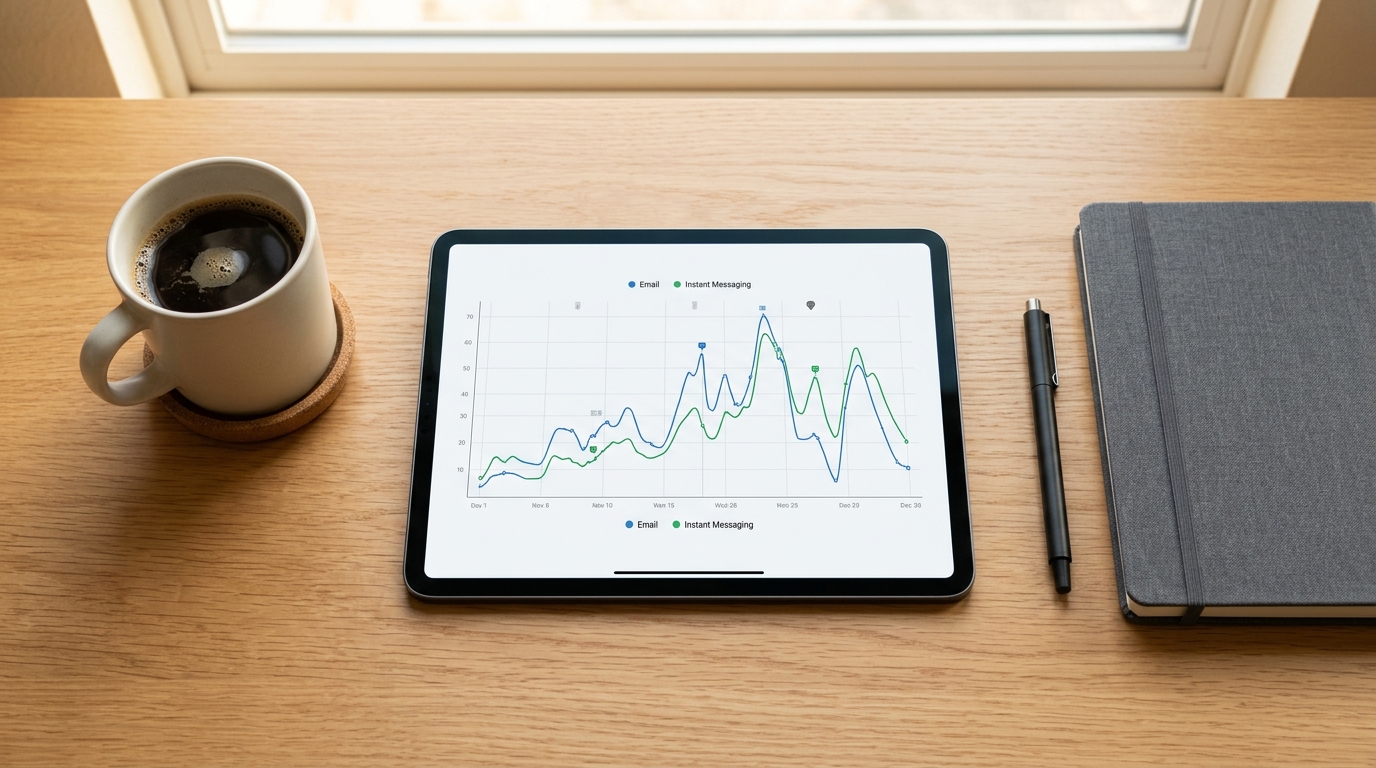
A few years ago, I sat through a user research session with a group of freelance consultants trying to map out their client communication hours. I watched them constantly switch tabs. They were keeping WhatsApp Web open on a desktop monitor while simultaneously refreshing the Telegram app on their mobile devices. It was a chaotic, error-prone attempt to figure out exactly when certain project discussions took place. That afternoon made one thing clear to me: relying on manual checking across isolated platforms simply does not scale for modern communication habits.
Why Are We Moving Away From Manual Activity Checking?
A unified online activity tracker is an automated application that consolidates status data across multiple messaging platforms—like WhatsApp and Telegram—into a single, chronological timeline without requiring manual user intervention. We are seeing a significant shift toward this type of architecture, driven by changing user behavior and broader industry trends.
The transition isn't just anecdotal. According to the recent Adjust "Mobile App Trends 2024" report, the broader application market is expanding rapidly. The report indicates that in 2023, global app installs increased by 10% and overall sessions grew by 7%, pushing consumer spend to a record $167 billion. However, the defining theme for 2024 is what Adjust calls "AI + Multi-Platform Measurement Architecture." Growth and utility are no longer defined by single-channel optimization, but by integrated measurement across various environments.

As my colleague Arda Çetin explained in a recent internal review on cross-platform measurement, fragmented tracking systems frustrate users. When you manually log a last seen timestamp on one app, you are completely blind to what is happening on another.
How Do Manual Methods Compare Against Unified Architectures?
To understand the value of an automated tracker, we have to perform a direct comparison analysis between the old habits and the new measurement frameworks.
The Traditional Manual Approach
Historically, users relied on native features or disjointed clients. You might open Telegram Web to check a status, switch back to your phone, and then log into WhatsApp. Some users even resorted to risky third-party modifications like GB WhatsApp just to bypass certain native interface limitations.
- Pros: Requires no additional software downloads; uses built-in platform features.
- Cons: Highly fragmented. Checking statuses requires you to appear online yourself. There is no historical log—if you miss the exact moment someone is active, that data point is lost.
The Unified Architecture Approach
A dedicated tracking environment centralizes these touchpoints.
- Pros: Generates a synchronized chronological log. You can review when a contact was last active across different networks simultaneously. It operates passively, meaning your own online status remains unaffected.
- Cons: Requires installing and configuring a third-party tool. Users must ensure they select an application that respects privacy boundaries rather than intrusive spyware.
What Does Data Privacy Have to Do With Measurement?
When analyzing digital tools, privacy infrastructure is the core differentiating factor. The mobile market is strictly regulating how data flows. The same Adjust report highlights that App Tracking Transparency (ATT) opt-in rates among iOS users rose from 35% in the first quarter of 2023 to 38% in the first quarter of 2024. Users are becoming slightly more willing to share data when the value exchange is clear, transparent, and strictly opt-in.
This translates directly to how activity trackers must operate. A reliable tracker processes publicly available status indicators without attempting to access private message content. It is about reading the metadata of connectivity, not breaching conversational privacy.
Who Actually Needs Unified Last Seen Analysis?
Understanding the target profile prevents mismatched expectations.
Who this is for:
- Freelancers and Small Agency Teams: Professionals who manage clients across both WhatsApp and Telegram and need to align their response times based on when clients are typically active.
- Digital Wellness Advocates: Individuals trying to map their own (or a consenting family member's) screen time habits to recognize late-night scrolling patterns.
- Remote Collaborators: People working across time zones who need a reliable sense of when a colleague usually comes online to schedule synchronous calls.
Who is this NOT for?
If you are an employer looking to micromanage your staff's exact keyboard strokes, or someone trying to intercept private messages, these tools are not built for you. A legitimate tracker maps activity timelines; it does not bypass platform encryption or act as surveillance software. The goal is coordination, not espionage.
How Should You Evaluate a WhatsApp and Telegram Tracker?
When you sit down to choose a tool, flashy marketing often obscures actual functionality. Sometimes users get so distracted by complex app store offerings they might as well be browsing reviews for a productivity app rather than a game like The Last of Us. Here is a practical decision framework for selecting an activity monitor:
- Cross-Platform Parity: Does the tool treat WhatsApp and Telegram equally? Often, a tool is heavily optimized for one and poorly ported to the other.
- Passive Operation: You should not need to keep your own device screen awake. The system should gather data securely in the background.
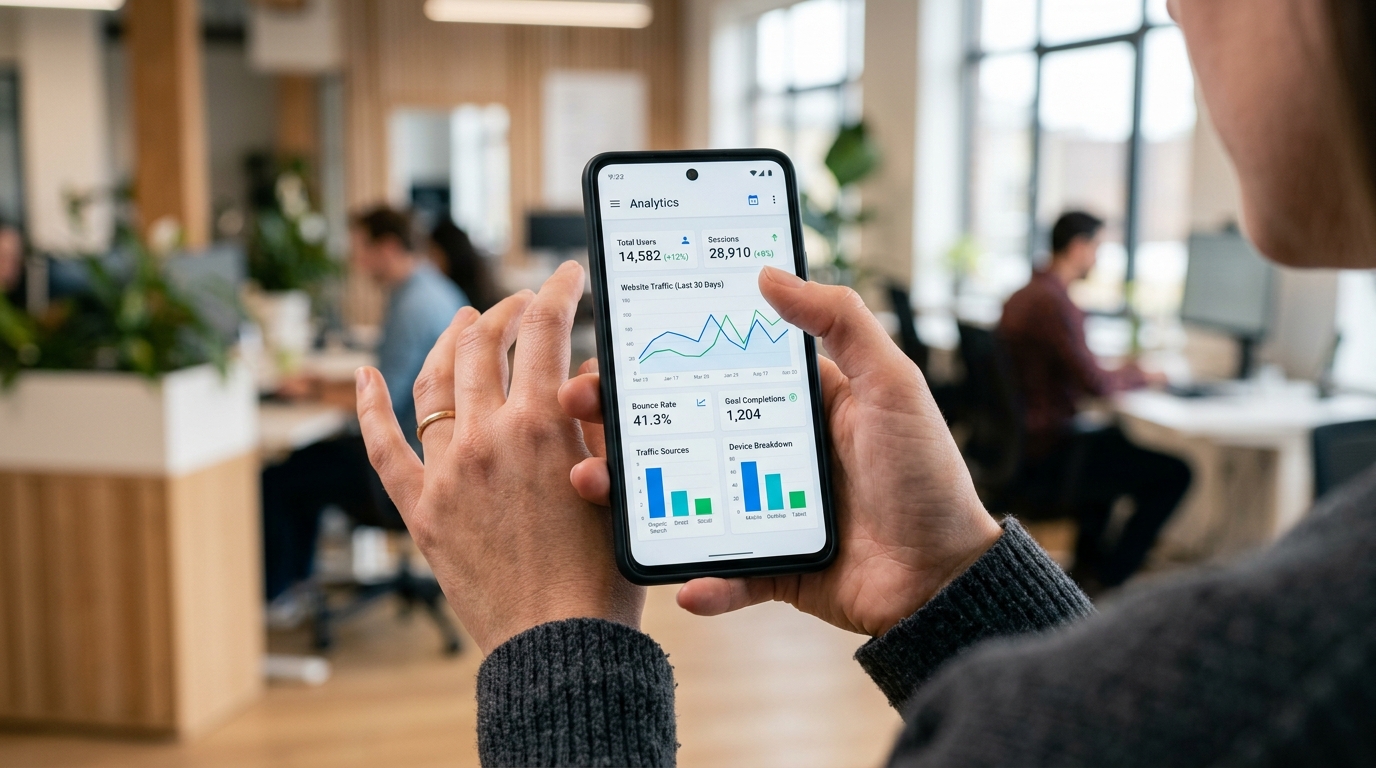
- Clarity of the Timeline: Data is useless if it is presented as a raw spreadsheet. Visual timelines are mandatory for recognizing patterns.
For a broader view on the ecosystem of mobile utility apps, including activity monitoring solutions, you can explore the portfolio at Activity Monitor.
What Changes With the Unified Feature in Seen Last Online Tracker, SUNA?
This brings us to the practical application of these concepts. We recently introduced an improved unified timeline in Seen Last Online Tracker, SUNA. The core problem we wanted to solve was the cognitive load of cross-referencing platforms.
If you want a clear, chronological map of communication availability, Seen Last Online Tracker, SUNA's multi-platform timeline is designed exactly for that outcome. Instead of presenting isolated data silos, the app visually overlaps WhatsApp and Telegram activity. You can see at a glance if a contact typically switches from checking Telegram in the morning to utilizing WhatsApp in the afternoon.
Pınar Aktaş detailed the impact of activity timelines in her recent research, noting how visual representation changes user habits. By removing the need to constantly refresh statuses manually, users regain their own focus time. You no longer have to perform the digital equivalent of pacing by the window waiting for the mail carrier.
Automated, multi-platform measurement is not just a technical upgrade; it is a behavioral shift. By moving away from fragmented, manual checks, you can rely on structured architecture to understand digital availability. The tools are there to handle the data collection—leaving you free to focus on the actual communication.