
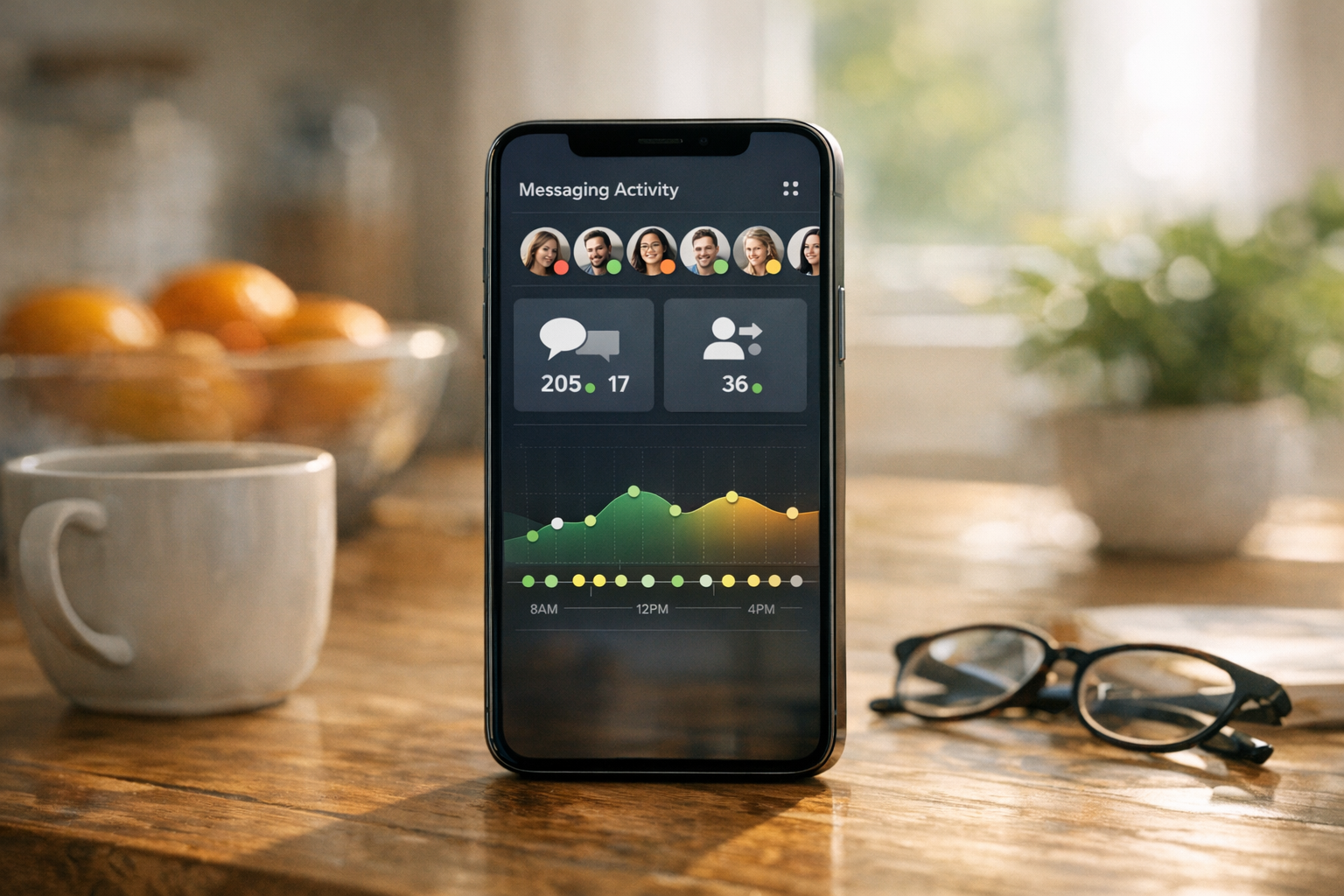
What Seen Last Online Tracker, SUNA Helps You Understand on WhatsApp and Telegram
Seen Last Online Tracker, SUNA is an uygulama designed for people who want a more organized way to follow whatsapp and telegram activity patterns. At its core, it focuses on a simple but common need: understanding last seen, seen, and online status changes without manually opening apps over and over again. Instead of repeatedly checking whether someone was online a minute ago, an hour ago, or several times during the day, users can review that activity in a more structured way.
That may sound like a narrow use case at first, but it solves a real everyday frustration. Messaging apps are fast, private, and always moving. If you are trying to notice patterns rather than just one moment, manual checking quickly becomes unreliable. People miss timestamps, forget when they last checked, or compare impressions instead of facts. A tool built specifically for tracking helps turn scattered observations into something easier to follow.
SUNA is not about replacing whatsapp web, telegram web, or the standard telegram app. It serves a different purpose. Those tools help you message people. This one helps you monitor timing and online visibility patterns in a practical way. That distinction matters, especially for users who are not looking for more chat features, but for clearer visibility into online activity over time.
The core problem: manual last seen tracking is messy
Anyone who has ever tried to watch activity status manually runs into the same issues.
- You check too late and miss the exact online window.
- You remember the timing incorrectly.
- You end up reopening whatsapp or telegram far too often.
- You notice isolated moments, but not the larger routine behind them.
That becomes even harder when the goal is not curiosity for a single minute, but a pattern across a day or week. For example, maybe you are trying to understand whether a family member is following a normal routine, whether a child is staying up too late online, or whether two accounts tend to appear active at the same time. These are not questions that one quick glance can answer.
A direct, doğrudan tracking approach for whatsapp and telegram gives users a better starting point. Rather than turning the apps into something they are not, SUNA addresses a practical analysis need: consistent observation.
Who SUNA is for
This kind of tool makes the most sense for users who care about timing patterns, not just messages.
1. Parents and guardians
A common scenario is a parent who wants to understand when a child becomes active late at night. Not every concern starts with reading chats or restricting devices. Sometimes the first step is simply noticing a schedule. If online sessions repeatedly happen after midnight, that may be enough to start a healthy conversation.
2. Families coordinating routines
Some households use messaging apps as their main communication channel. If one person often appears online during school pickup hours, commute times, or late evening check-ins, activity tracking can help make those patterns clearer.
3. Users who want less guesswork
Many people are not trying to investigate anything dramatic. They just dislike uncertainty. They want a cleaner view of last active moments and a history of when an account was seen online, instead of relying on memory.
4. People comparing timing across accounts
One practical use case is seeing whether two profiles tend to become online around the same periods. That kind of comparison is difficult to do manually because timing windows are easy to miss.
Users searching for this category sometimes arrive after looking at unrelated terms such as gb whatsapp or even broad searches that include words like last of us, but the actual need is usually much more specific: a reliable way to follow online presence patterns on messaging platforms.
What first use usually looks like
The best way to understand SUNA is to picture real first-use situations.
Scenario 1: Late-night activity checks
A parent wants to know whether a teenager is regularly active on telegram after bedtime. Manually opening the app every 20 minutes is not realistic. A tracking uygulama helps collect a clearer record of activity windows so the parent can look at actual timing rather than assumptions.
Scenario 2: Daily routine awareness
A family member seems difficult to reach during certain parts of the day. Instead of guessing, a user checks whether the account tends to appear online at lunch, after work, or late evening. Over time, a pattern becomes easier to recognize.
Scenario 3: Comparing two online schedules
Sometimes the question is not one person’s activity, but overlap. Do two accounts regularly come online around the same times? Manual checks often miss this because the overlap may only last a few minutes. Structured status monitoring makes those comparisons easier.
Scenario 4: Reducing compulsive checking
One overlooked benefit is that users no longer need to keep opening whatsapp, whatsapp web, or telegram web throughout the day just to confirm whether someone is active. A more organized view can reduce repetitive checking behavior.
What makes this useful in practice
The value is not in a single timestamp. It is in context.
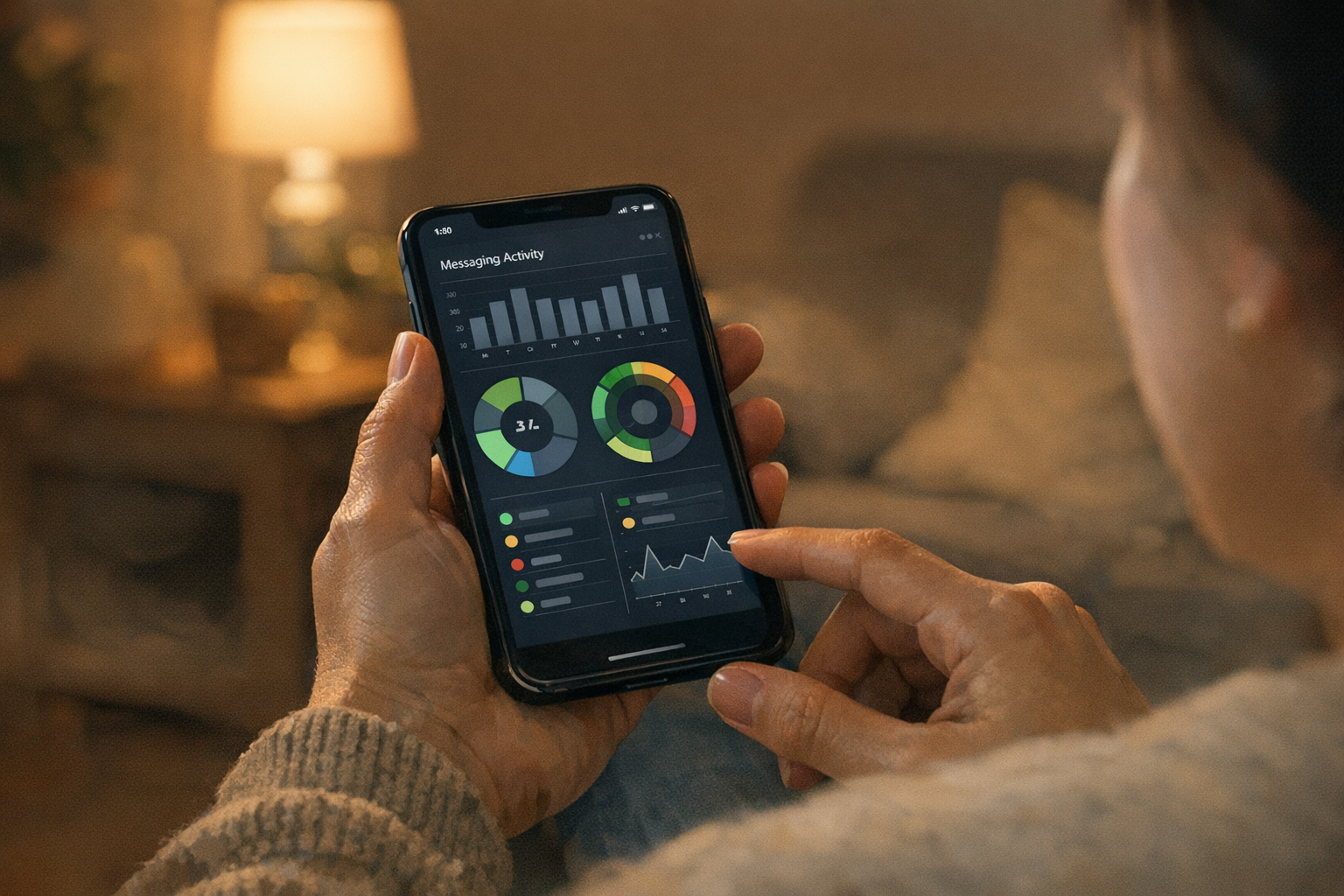
For example, knowing that someone was online at 9:14 PM once may not mean much. But seeing that they appear online almost every night between 9 PM and 11 PM tells a different story. The same applies to short bursts of activity, repeated morning logins, or patterns that only happen on weekends.
That is why status analysis for whatsapp and telegram can be more useful than casual checking. It helps answer questions like:
- Is this account usually active at a certain hour?
- Are late-night sessions occasional or frequent?
- Do two accounts share similar online windows?
- Has the pattern recently changed?
Those are practical questions, especially for families and close contacts trying to understand habits instead of isolated moments.
How SUNA fits into a broader family monitoring routine
For some users, online activity is only one part of a larger picture. A family might want to understand both messaging habits and general coordination patterns. In that case, tools in nearby categories can make sense too, such as a WhatsApp and Telegram online tracker for family routines or a family location tracking app for day-to-day coordination. The point is not to overcomplicate things, but to choose a tool that matches the actual question you are trying to answer.
If the question is about where someone is, use a location tool. If the question is about when someone tends to be online, a last seen tracker is the better fit.
What this app is not meant to do
It helps to be clear about expectations. SUNA is for observing online status patterns. It is not a replacement for direct communication, and it is not a substitute for trust in a relationship or family setting. Data can show timing, but it cannot explain intent, mood, or context on its own.
That matters because activity logs are most useful when they support practical decisions. A parent may notice repeated midnight activity and decide to discuss screen habits. A family member may notice a routine and choose a better time to reach out. Used that way, status monitoring becomes less about constant suspicion and more about reducing uncertainty.
Good first steps for new users
If you are opening SUNA for the first time, a few habits make the experience more useful:
- Start with one clear question. For example: “Is this account active after 11 PM?” or “Do these two accounts overlap in the evening?”
- Give it enough time. A single afternoon rarely reveals much. Patterns become more useful across several days.
- Look for repetition, not one-off events. One unusual online session can mean almost anything. Repeated timing tells a stronger story.
- Avoid overinterpreting. Being online does not automatically explain what someone was doing or why.
That approach keeps the tool practical. It also helps users avoid the main mistake people make with any status-tracking app: treating every small signal as a final answer.
Why an introduction like this matters
There are many searches around messaging tools, from telegram app setup questions to whatsapp web access, and even unrelated high-volume terms that happen to include the word last. But the people who end up needing SUNA usually have a very specific problem. They are not trying to send messages faster. They are trying to understand activity patterns more clearly.
Seen Last Online Tracker, SUNA exists for that exact purpose. It is a focused uygulama for users who want a simpler way to follow seen history, online behavior, and timing trends across whatsapp and telegram. For parents, families, and anyone tired of manual checking, that first step alone can make communication habits easier to understand.